Need any help? Talk to expert : +91-9811634414


Mon - Sat 9.00 - 05.00
Sunday Closed
Sunday Closed
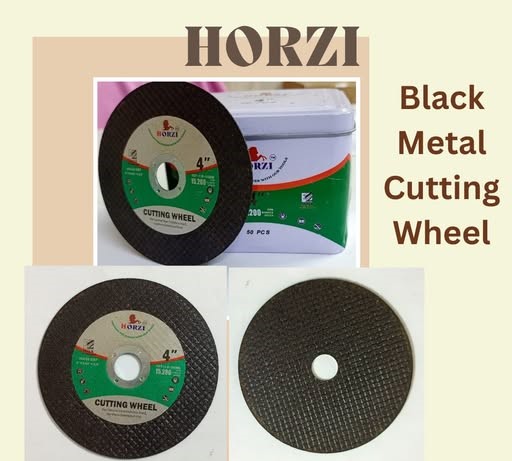
Working with marble, granite, and vitrified tiles requires more than just a steady hand; it requires a deep understanding of your tools. A high-quality diamond blade is a precision instrument, but even the best blade can fail if used incorrectly. Mistakes in this field are costly—resulting in chipped edges, broken slabs, and wasted money.
To help you achieve that perfect, professional finish every time, we’ve outlined the five most common errors stoneworkers make and how to fix them.
One of the fastest ways to ruin a project is using a "one-size-fits-all" mentality. A blade designed for aggressive concrete cutting (like a standard Segmented blade) is often too rough for delicate porcelain or soft marble, leading to disastrous chipping.
The Fix: Always match your blade to the specific material. Use Super Thin Turbo Blades for delicate tiling (ceramic/vitrified) to ensure a smooth finish, and reserve robust Segmented Blades for granite, concrete, and heavy masonry.
It is a natural instinct to push harder when you want to cut faster. However, diamond blades work by grinding, not slicing. Excessive pressure causes the metal core to overheat and warp, potentially leading to segment loss or dangerous kickback.
The Fix: Let the diamonds do the work. Apply gentle, consistent pressure. If the blade isn't cutting, it likely needs "dressing" (cleaning), not more force.
Heat is the primary enemy of diamond segments. Even if you are using a blade rated for "dry cutting," continuous use without airflow builds up immense heat that degrades the bond holding the diamonds in place.
The Fix: If you are dry cutting, use the "step cutting" method. Make shallow passes rather than one deep cut, and lift the blade out of the cut every minute to let it spin freely in the air. This cools the core and extends blade life.
Diamond blades are directional. They are engineered with "comet tails" behind the diamond grit to support it during impact. Running a blade in reverse strips the diamonds out of the matrix instantly.
The Fix: Always check the directional arrow printed on the blade face and match it to the rotation of your grinder or saw.
Sometimes a blade stops cutting and just rubs against the stone, creating heat. This is called "glazing"—the metal bond has not worn away fast enough to expose new diamonds.
The Fix: Don't throw the blade away! Cut into an abrasive material like a cinder block or a specialized dressing stone. This strips the excess metal and exposes fresh, sharp diamonds, restoring the blade's cutting power.
Avoiding these mistakes is easier when you start with superior equipment. Horzi Abrasive provides professional-grade diamond blades designed for durability, safety, and precision.
Contact Horzi Abrasive Today:
|
Detail |
Information |
|---|---|
|
Phone (Deepak Gupta) |
+91-9811634414 |
|
|
information@horziabrasive.com |
|
Website |
|
|
Address |
Khasra No 52/18, Vil Prahaldpur Bangar, Nr Karat Godown, Delhi-110042 (India) |